Artist-in-Residence

Bob Bingham

Bob Bingham models a robe made of Brick yardage, 1986. Photo credit: FWM Visual Archives.

Bob Bingham’s work imagines a sustainable future, engaging with ecological issues of human impact on the environment. Over a period of four decades, his art practice evolved from mixed media installations into interdisciplinary community-led projects. Through these collaborations, his work came to examine and transform our relationship between the natural and built environment. 

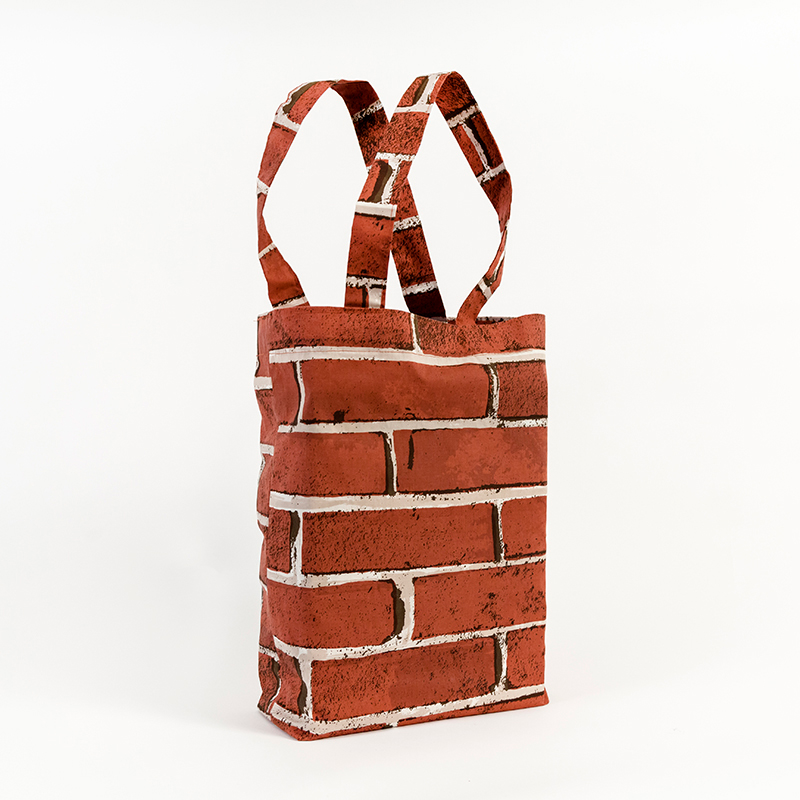
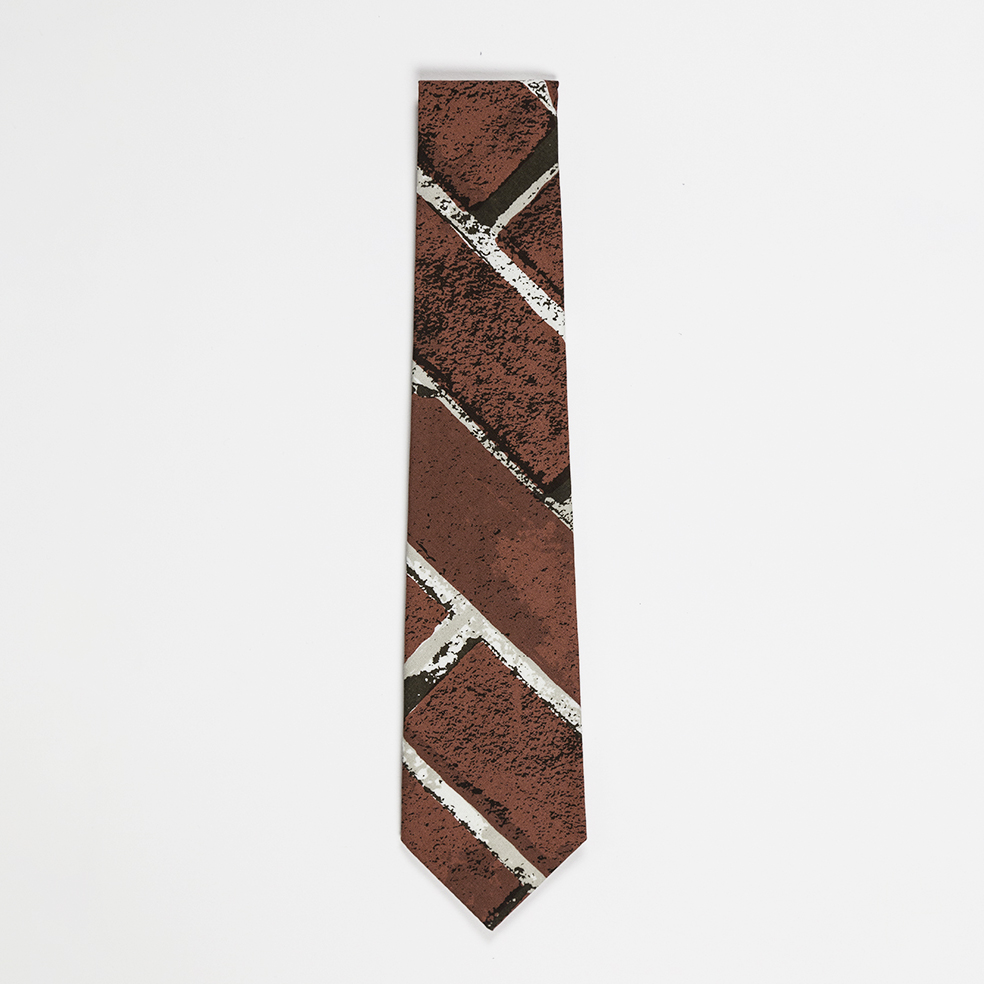
During his 1986 residency, Bingham created garments and structures from brick-patterned yardage designed and screenprinted with the FWM Studio. His sculptural project, Urban Survival Equipment, is comprised of three objects: a lean-to tent, a pup tent, and a parking aid. Bingham’s gesture is one of subversion and camouflage: by projecting the visual language of permanence, the brick pattern allows the user of these mobile shelters to blend into a built environment. Moving beyond a work that succeeds at mere playful deception, however, Bingham challenges societal attitudes. What—or who—is seen and unseen in our urban landscape?
Art


Artist Bio

Bob Bingham takes an experimental approach to his artistic practice, finding new ways to engage with the natural environment and issues of a climate in crisis. Bingham received his BA in art from Montana State University, Bozeman and his MFA from University of California, Davis. He has been a recipient of a National Endowment for the Arts Visual Artist’s Fellowship Grant; Pennsylvania Council on the Arts Visual Artist Fellowship Grant; and a Heinz Endowments Economic and Community Development Grant, among others. Over a period of thirty years, he held various teaching positions in the studio art department at Carnegie Mellon University. His work has been included in exhibitions at Institute of Contemporary Arts, Philadelphia, PA; The Brooklyn Museum, New York, NY; and The Andy Warhol Museum, Pittsburgh, PA, among others. Bingham has been commended for his interdisciplinary, multi-year projects such as the Nine Mile Run Greenway Project and WeGrow which revitalized streams and transformed vacant industrial spaces into ecological hubs of activity open for use by the surrounding community.